
Ontario Blue Box Rules 2026: Packaging Data
Ontario’s Blue Box system entered full producer responsibility on January…

Ontario’s Blue Box system entered full producer responsibility on January…
Why do some brands seem to have a secret formula…
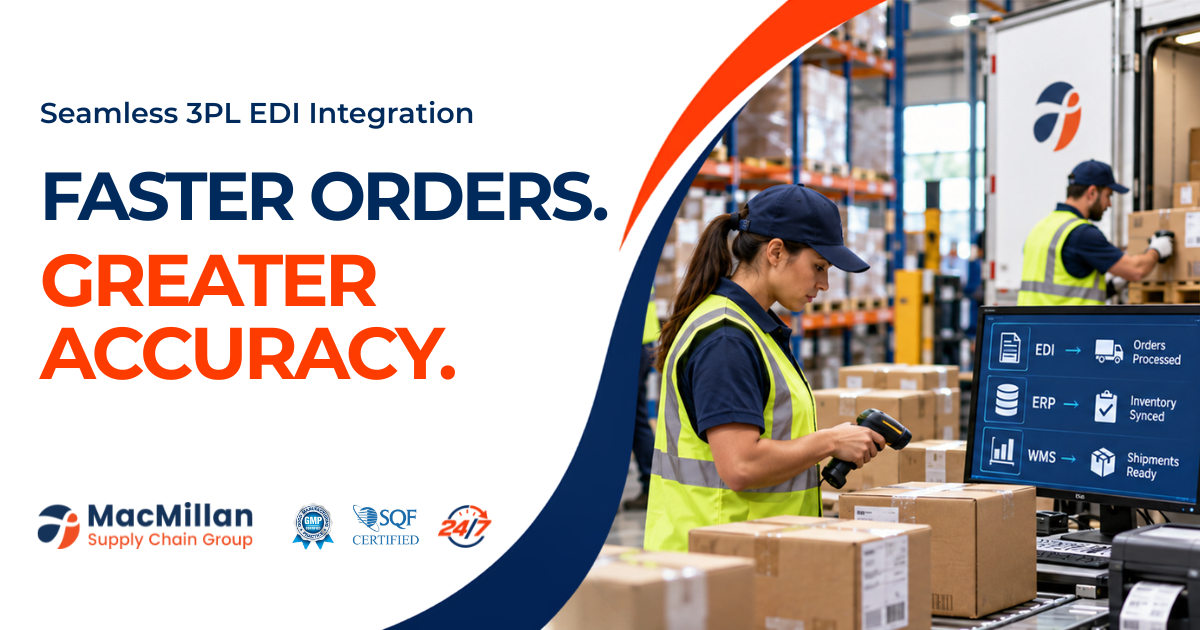
Integrating EDI with third-party logistics (3PL) streamlines the flow of…
Hats off to you for always wanting to make…
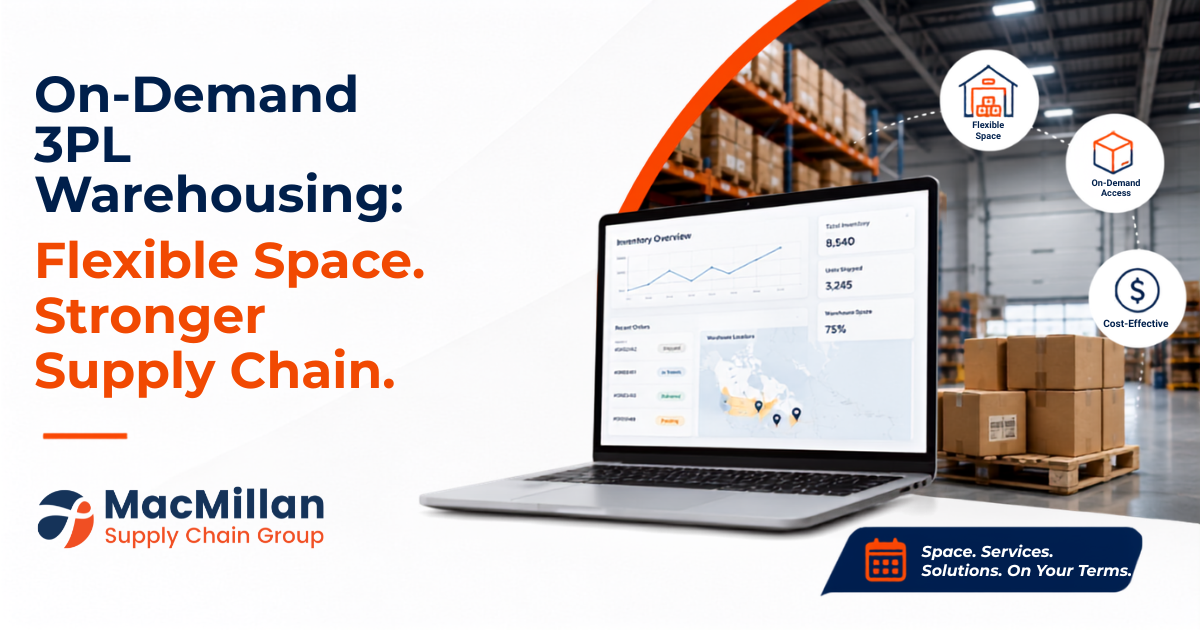
As logistics evolves, brands require flexible and scalable solutions to effectively manage their inventory and fulfillment needs. On-demand 3pl warehousing provides an innovative approach, enabling businesses to adapt to market changes and customer demands.
In this article, we will delve into the concept of on-demand 3pl warehousing, explore its benefits, examine real-world applications, and guide you in determining if it is the right solution for your business.
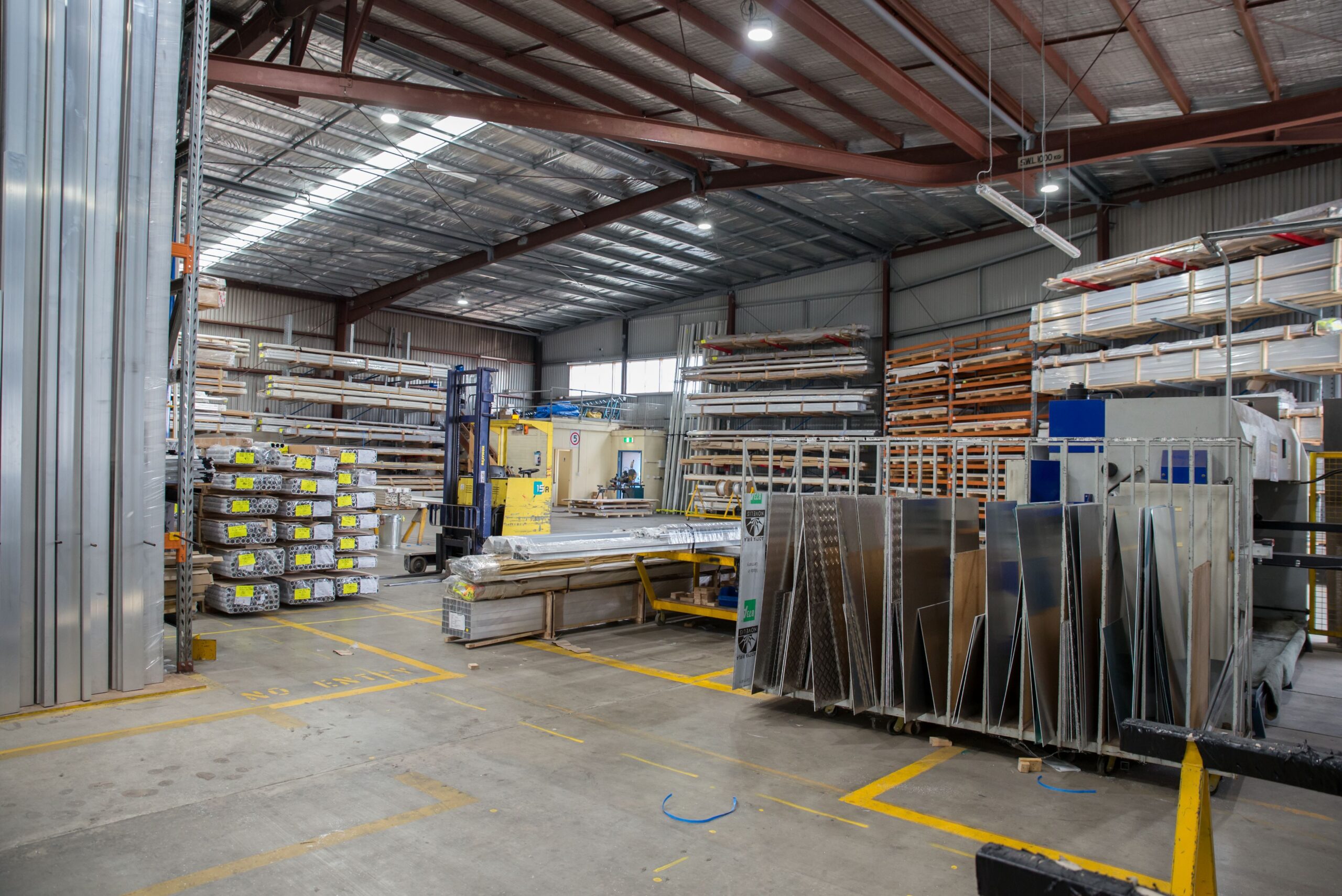
On-demand 3pl warehousing represents a flexible, modern approach to storage that allows businesses to rent warehouse space and services on a temporary basis. Unlike traditional warehousing, which typically involves long-term leases, on-demand warehousing enables companies to scale their storage capacity up or down in response to real-time needs. By leveraging a network of warehouses with available space, this model allows businesses to efficiently manage their inventory with greater agility and responsiveness.
On-demand warehousing platforms function as intermediaries, linking businesses with a network of vetted warehouses, including third-party logistics (3PL) warehouses such as MacMillan or fulfillment centers, that have available space. These platforms typically feature an online marketplace where brands can search for warehouse providers based on specific criteria such as location, needed size, and rental duration. Designed to be user-friendly, these platforms allow businesses to quickly compare different options, view pricing, and read reviews before deciding.
The pricing transparency and ease of use enable businesses to secure the right warehouse space without lengthy negotiations or commitments.
Once a business identifies a suitable3pl warehouse, they can book the space for the required period, which can range from a few weeks to several months. MacMillan also offers value-added warehousing services beyond basic storage, such as inventory management, order fulfillment, and distribution. These services can be seamlessly integrated into the business’s existing supply chain management, providing a comprehensive solution that goes beyond just storage. By leveraging these additional services, businesses can ensure their inventory is managed efficiently, orders are fulfilled accurately, and products are delivered to customers on time.
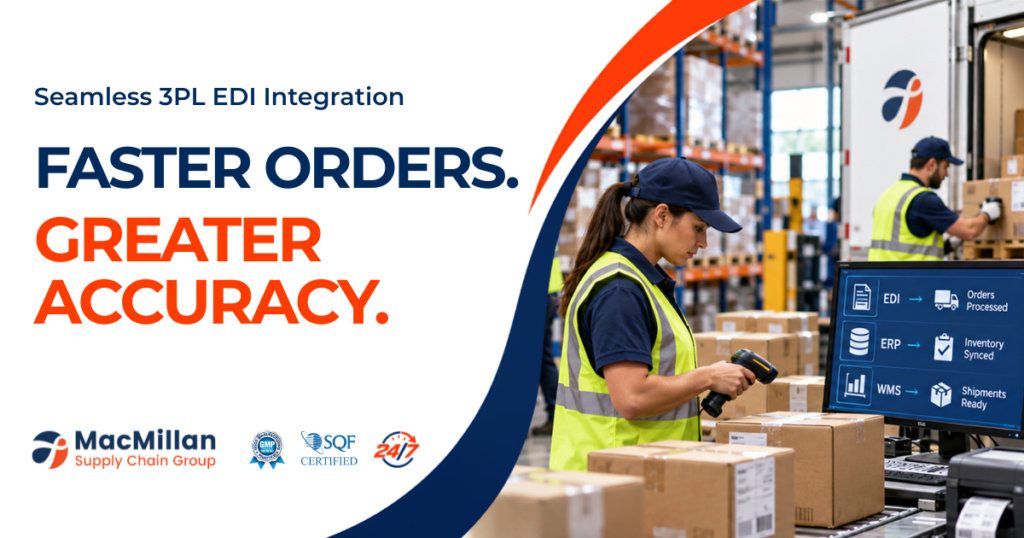
The flexibility of on-demand 3pl warehousing is further enhanced by advanced technological features. Real-time tracking and reporting tools always provide businesses with visibility into their inventory levels and warehouse operations. Additionally, many on-demand 3pl warehousing platforms offer integration capabilities with other systems, WMS integrations and shipping carriers. This ensures a seamless flow of information across the entire supply chain, reducing the risk of errors and improving overall efficiency.
What are the examples of On-Demand 3pl Warehousing?
On-demand warehousing can significantly benefit various businesses. Here are five examples of how brands have leveraged this model:
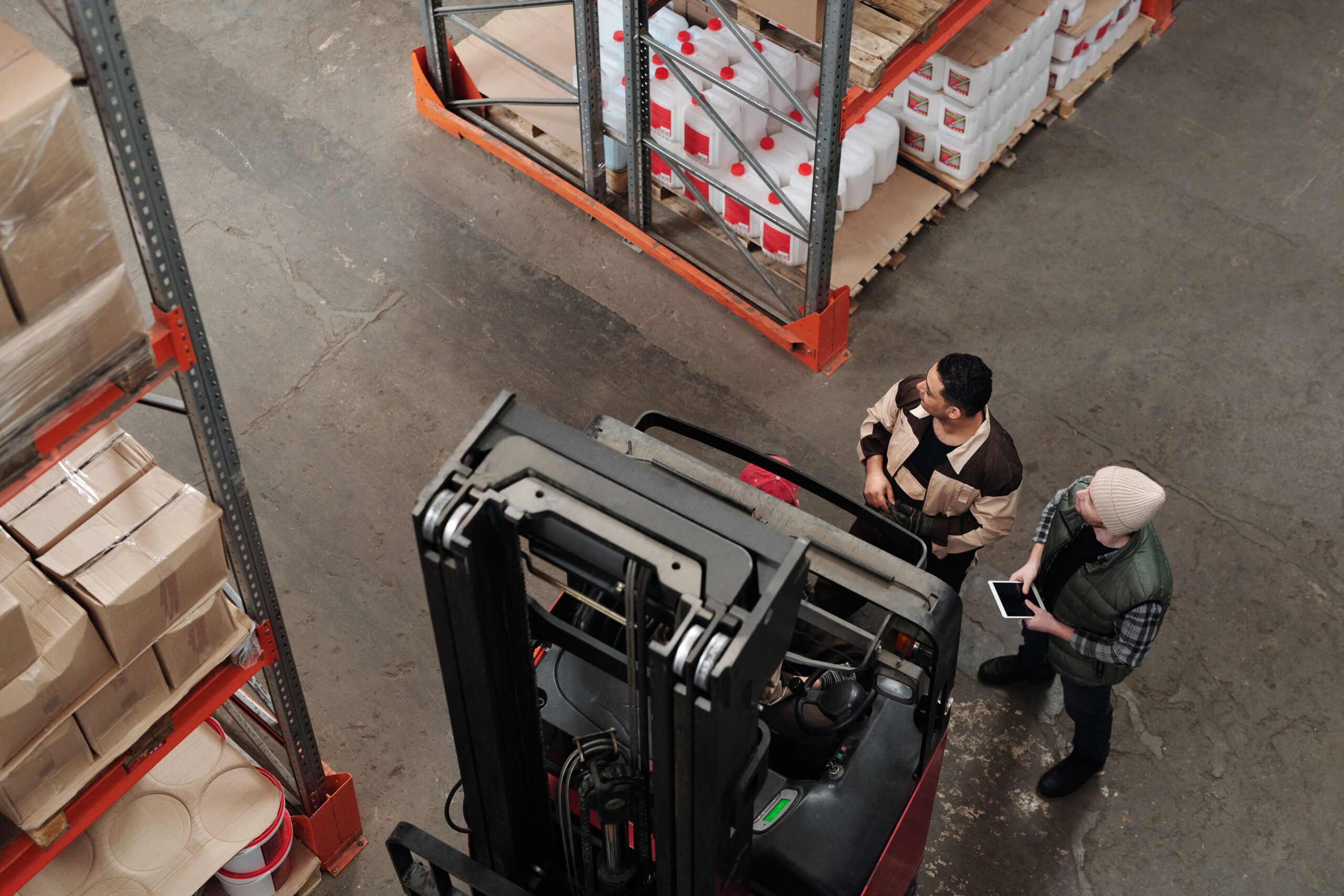
Seasonal Inventory Management: A retail brand facing fluctuating demand during the holiday season (Learn more about demand fluctuations) can use on-demand warehouses to handle the surge in inventory without committing to a long-term lease. This allows the brand to scale up storage space during peak seasons and reduce it during off-peak times, optimizing costs and efficiency.
Geographic Expansion: An e-commerce company expanding to new markets can use on-demand 3pl warehousing to establish a local presence quickly, reducing shipping times and costs. MacMillan allows space in strategic locations; GTA and 80% of the western regions.
Short-Term Projects: Companies undertaking special short-term projects, such as limited-term or new product launches, promotional campaigns, can benefit from on-demand warehousing. This allows them to manage initial inventory spikes and timely fulfillment of orders for the duration of the project without the burden of long-term storage commitments.
Overflow Management: During periods of unexpected inventory overflow, such as supply chain disruptions or sudden demand spikes, businesses can use on-demand 3pl warehousing to store excess products temporarily.
Reverse Logistics: A company handling a large volume of returns, such as an online retailer during the post-holiday season, can use on-demand warehousing to manage and process returns efficiently. Temporary warehousing space can be rented to handle the influx of returned items and streamline the reverse logistics process.
On-demand warehousing offers several key advantages for brands seeking to optimize their supply chain:
Scalability: One of the primary benefits of on-demand warehousing is its scalability. Businesses can adjust their 3pl warehousing needs in response to demand fluctuations, seasonal peaks, or sudden market changes. This flexibility ensures that brands are not tied down by long-term contracts and can quickly scale operations up or down as needed. This adaptability allows companies to achieve better cash flow optimization and operational efficiency. Additionally, on-demand warehousing can support rapid business growth and geographic expansion by extending your fulfillment network to new markets.
Cost-Effectiveness: By only paying for the space and services they use; businesses can significantly reduce warehousing costs. There are no long-term leases, maintenance fees, or expenses for unused space, making this model highly cost-effective. The ability to avoid large upfront investments in infrastructure, including both physical assets as well as digital assets like specialized warehouse technology- reduces financial risk, particularly for startups and small businesses. This model also minimizes the cost of carrying excess inventory by providing just-in-time storage solutions.
Flexibility: On-demand warehousing provides the flexibility to utilize specialized warehouse types for specific fulfillment solutions, test new markets, launch promotional campaigns, and manage unexpected inventory surges without the burden of long-term commitments. Additionally, in situations where there is a sudden spike in orders, such as during a successful marketing campaign, on-demand warehousing ensures that the business can meet customer expectations without delay.
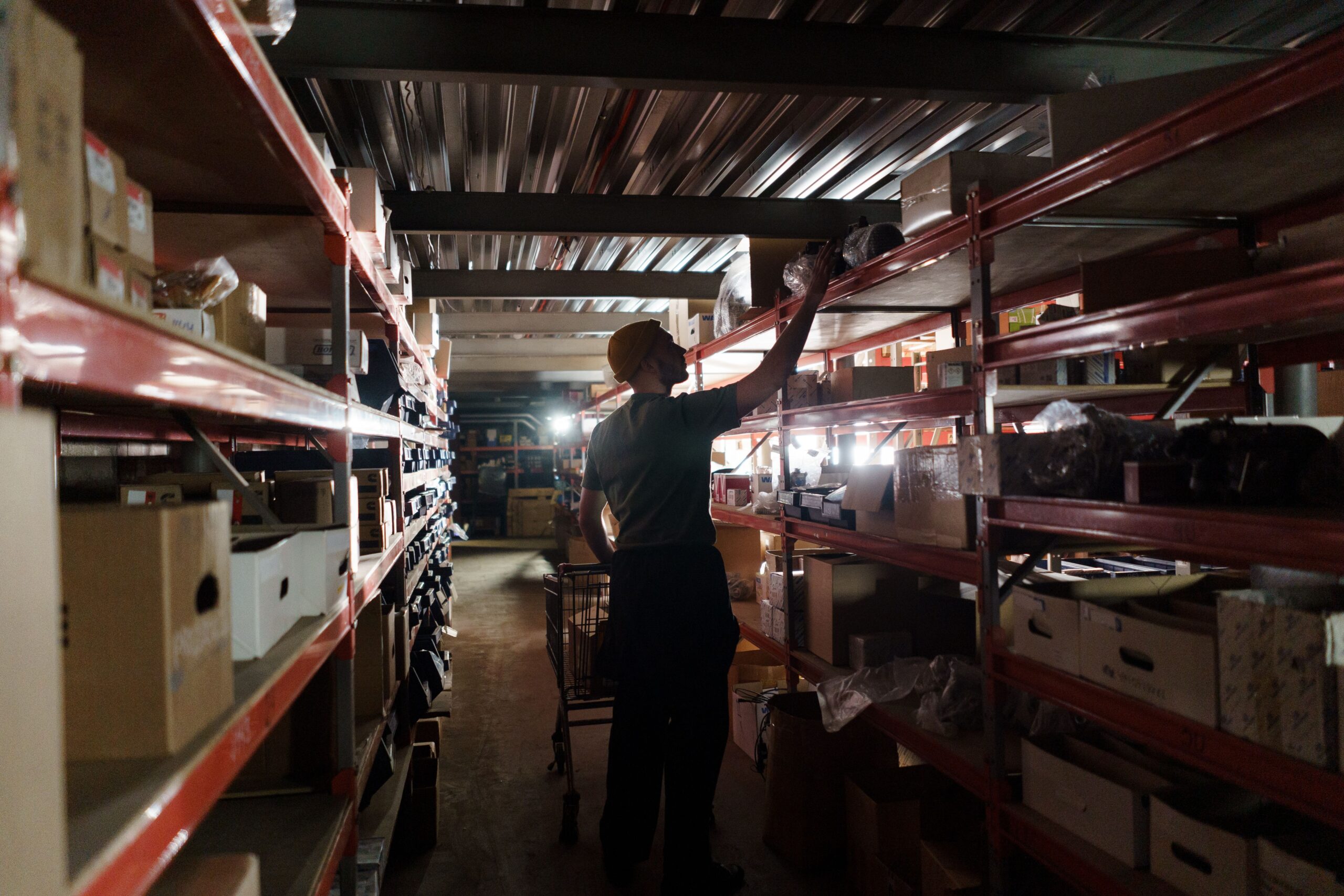
While on-demand warehousing offers numerous benefits, it may not be the best fit for all businesses. Here are some scenarios where alternative solutions might be more appropriate:
High Volume Consistency: If your business consistently maintains a high volume of inventory, a long-term warehousing solution may be more cost-effective. Long-term leases can offer better rates and more stability for businesses that require constant, large-scale storage. This approach also allows for greater customization of the warehouse to meet specific operational needs.
Complex Logistics: Businesses with complex logistics requirements might benefit more from a dedicated, long-term warehouse such as MacMillan that can be tailored to their specific needs. Custom warehouse solutions can address unique storage, handling, and distribution requirements that on-demand warehousing may not fully support. This ensures that warehouse operations are optimized for the specific products and processes of the business.
Integration Challenges: If integrating with on-demand warehousing platforms presents significant challenges, traditional warehousing solutions that align better with your existing systems may be preferable. Seamless integration is crucial for maintaining operational efficiency and data accuracy across the supply chain. If on-demand solutions complicate integration with your ERP, inventory management software, or order fulfillment systems, a long-term warehousing solution might be more appropriate.
At MacMillan, we understand the unique challenges businesses face in managing their supply chain. Our advanced solutions, including our Fulfillment Marketplace, connect you with our network of third-party logistics to outsource your fulfillment processes. Designed to offer flexibility, scalability, and cost-effectiveness, our services help you meet and exceed your business goals.
Discover how MacMillan can transform your logistics strategy with our comprehensive services and technology-driven solutions. Request a demo today and take the first step toward optimizing your supply chain.